Tor Browser review 2025 – many people want to know if this tool is still a good choice for staying private online. In a world where tracking and surveillance are common, Tor Browser offers a way to browse the internet without leaving traces. It hides your IP address and protects your activity from prying eyes. But is it safe? Is it worth using every day? In this simple guide, we will look at everything you need to know about Tor Browser in 2025.
Tor Browser is free software made by the Tor Project, a non-profit group. It is based on Firefox but has been changed to give extra privacy. Your internet traffic goes through many volunteer computers (called nodes) around the world. This makes it hard for anyone to see who you are or what you are doing.
Many users choose Tor Browser for strong anonymity. Journalists, activists, and everyday people use it to stay safe online. In 2025, with more data collection by companies and governments, tools like Tor are more important than ever.
What Is Tor Browser and How Does It Work?
Tor stands for “The Onion Router.” The name comes from how it works – like layers of an onion. Your data is wrapped in many layers of encryption. It passes through at least three nodes:
- Entry Node (Guard Node): Knows your real IP but not where you are going.
- Middle Node: Knows nothing about you or the final site.
- Exit Node: Knows the website but not your real IP.
This onion routing keeps your identity hidden.
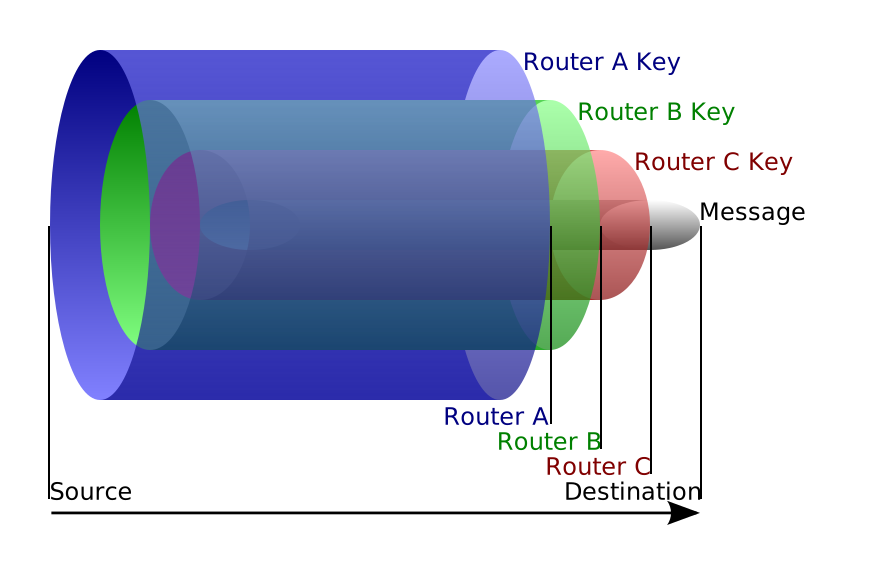
A simple diagram showing how onion routing works in the Tor network.
Tor Browser also blocks trackers, clears cookies automatically, and stops scripts that can fingerprint your device. It uses DuckDuckGo as the default search engine, which does not track you.
In 2025, the latest stable version is Tor Browser 15.x (with updates like 15.0.3 released recently). It includes better security fixes from Firefox and improved connection options for censored areas.
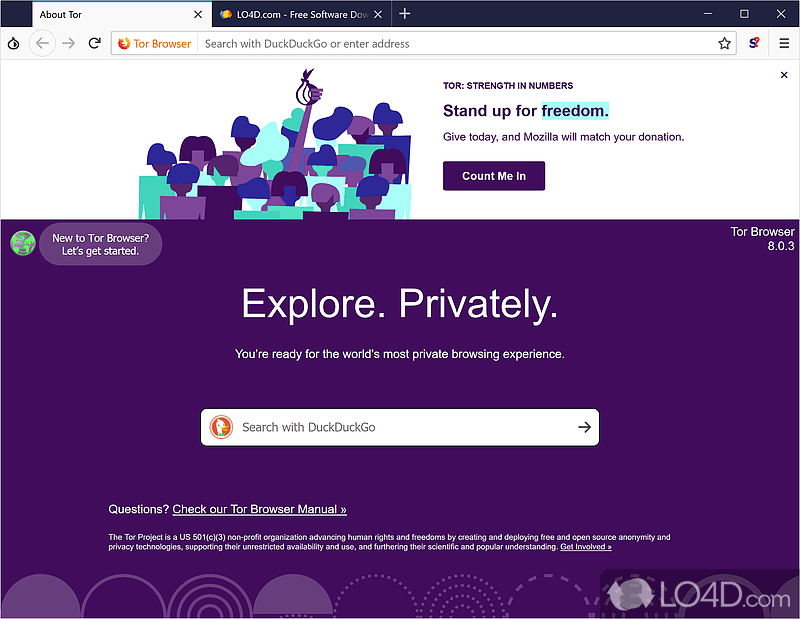
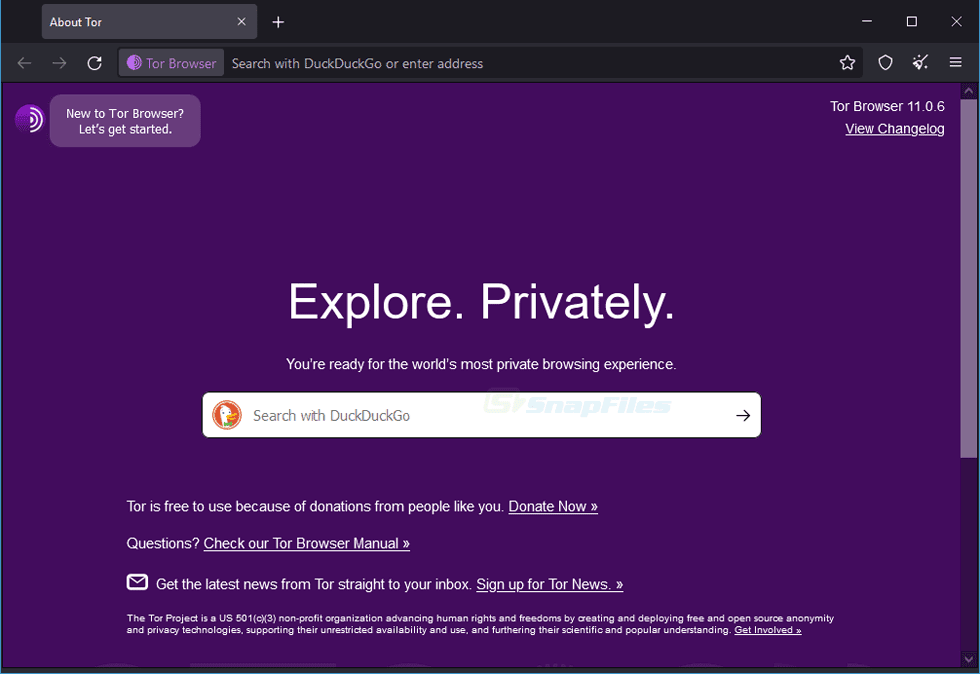
The Tor Browser interface looks familiar, like Firefox, but with privacy tools built in.
Is Tor Browser Safe in 2025?
Yes, Tor Browser is generally safe in 2025 if you use it correctly. Experts from sites like PCMag, Cloudwards, and the Tor Project itself say it provides strong protection against tracking and surveillance.
The browser is open-source, meaning anyone can check the code for problems. It gets regular updates for security. In 2025, it has features like HTTPS-Only mode and NoScript to block dangerous scripts.
However, no tool is 100% safe. Here are the main risks:
- Exit Node Risks: The exit node sees unencrypted traffic if the site does not use HTTPS. Bad people can run exit nodes to spy or inject malware (rare, but possible).
- Malicious Nodes: Most nodes are run by good volunteers, but some could be bad.
- User Mistakes: Logging into personal accounts can link your activity to you. Downloading files or enabling JavaScript on unsafe sites can be risky.
- Browser Fingerprinting: If you change settings too much, sites might identify you.
To stay safe:
- Use the “Safest” security level.
- Only visit HTTPS sites.
- Do not download torrents or large files over Tor.
- Avoid plugins or extensions.
Many reviews in 2025 say Tor is safer than regular browsers for privacy, but combine it with good habits.
Pros of Using Tor Browser in 2025
Tor Browser has many good points:
- Strong Anonymity: Hides your IP better than most tools.
- Free and Open-Source: No cost, and community-checked.
- Bypass Censorship: Works in countries with internet blocks.
- Access to .onion Sites: A safe way to reach the dark web for legal reasons (like whistleblowing).
- No Tracking: Blocks ads, trackers, and fingerprinting by default.
- Easy to Use: Looks like Firefox, simple for beginners.
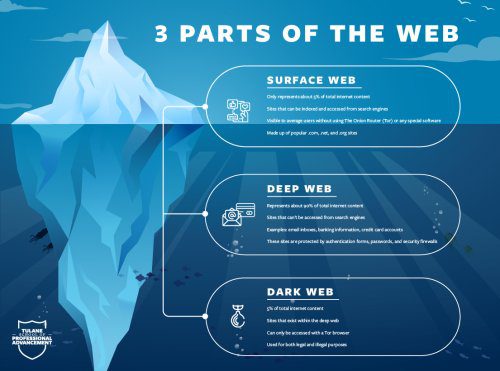
Illustration of accessing hidden services on the dark web with Tor.
Users love it for privacy in sensitive research or avoiding ISP monitoring.
Cons of Using Tor Browser in 2025
There are some downsides:
- Slow Speed: Traffic goes through many nodes, so pages load more slowly.
- Site Problems: Some websites block Tor or break (no JavaScript in safest mode).
- Not for Everyday Use: Too slow for streaming or heavy browsing.
- Limited Mobile Support: Good on Android, but iOS uses Onion Browser (less secure).
- Potential Risks on Dark Web: If you go to bad sites, you can find malware.
In 2025 reviews, speed is the biggest complaint. Many say it’s great for privacy tasks but not for daily browsing.
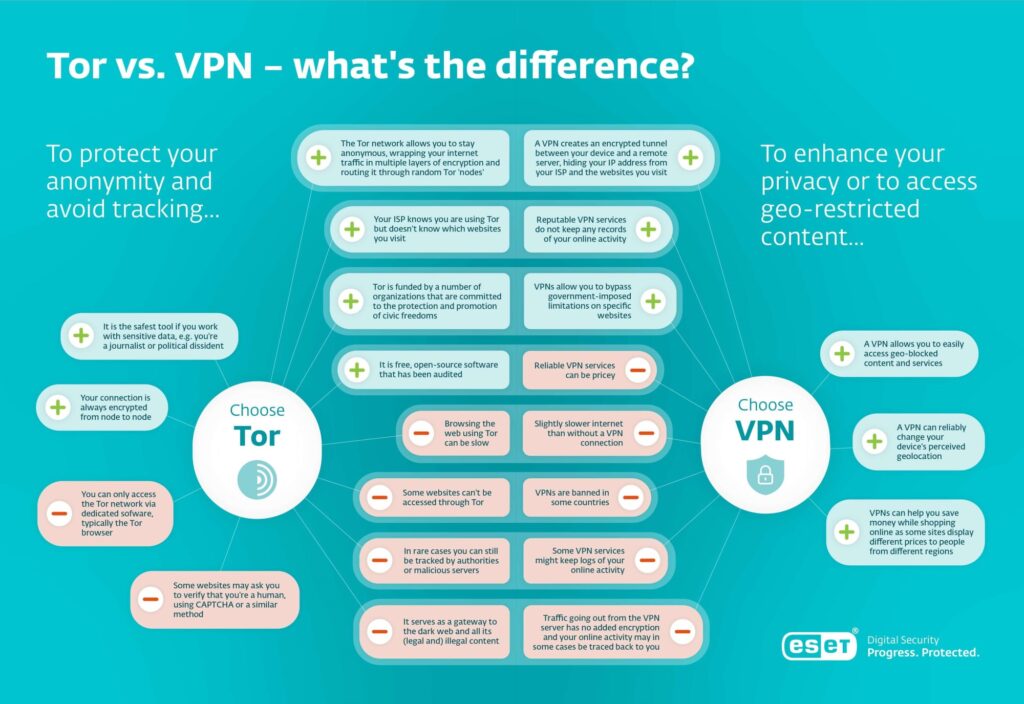
A comparison infographic showing differences between Tor and VPN.
Tor Browser vs. VPN: Which Is Better?
People often compare Tor to VPNs.
- Tor: Better for anonymity (multiple hops, no single company trust). Free, but slow.
- VPN: Faster, encrypts all traffic, good for streaming. But you trust the VPN company.
Many experts recommend using both: VPN first, then Tor (Tor over VPN) for extra safety.
In 2025, VPNs will be more popular for daily use, but Tor is best when you need true anonymity.
How to Download and Install Tor Browser Safely
Always download from the official site: torproject.org/download.
The official Tor Browser download page – always use this to avoid fakes.
Steps:
- Go to the site.
- Choose your language and OS (Windows, macOS, Linux, Android).
- Download and run the file.
- Connect to the Tor network.
It’s portable – no full install needed.
Who Should Use Tor Browser in 2025?
- Journalists and activists in restricted countries.
- People worried about tracking by governments or companies.
- Researchers need anonymous access.
- Anyone wanting to bypass blocks.
If you just want basic privacy, a good VPN or Brave Browser might be enough and faster.
Is Tor Browser Worth Using in 2025?
Yes, Tor Browser is worth using in 2025 if privacy and anonymity are your top needs. It is safe when used right, and it remains one of the best free tools for protecting your online freedom.
For most people, it is not for everyday browsing because of the speed. But for important private tasks, it is excellent.
In conclusion, Tor Browser review 2025 shows it is still a powerful, safe option. Download it today if you value your privacy. Stay safe online!