Key Takeaways
- The Series is a Curriculum: In 2026, How to Change Your Mind on Netflix has shifted from a “cool documentary” to the essential introductory course for anyone curious about the now-rapidly-expanding world of psychedelic-assisted therapy.
- Four Pillars of Healing: The show breaks down the science and history of four key substances: LSD, Psilocybin, MDMA, and Mescaline.
- The “Default Mode Network” (DMN): Understanding this brain system is the “secret sauce” of the series. It explains why we get stuck in rigid patterns of thought.
- 2026 Context: With the psychedelic therapeutics market projected to hit $3.41 billion this year, the show’s message of “medicalization over recreation” is more relevant than ever.
Introduction: Why This Show Still Matters in 2026
If you’re firing up Netflix to watch How to Change Your Mind, you aren’t just looking for entertainment. You’re likely looking for a way out of a mental rut, a solution for treatment-resistant depression, or a deeper understanding of human consciousness.
In my 15 years as a content strategist covering the intersection of health and technology, I’ve seen hundreds of health “trends” come and go. Most are fluff. But Michael Pollan’s docuseries is different. Since its release, it has become the “gold standard” for destigmatizing substances that were once buried under the weight of the War on Drugs.
As we move through 2026, the landscape has shifted. Clinical trials at places like Johns Hopkins and Harvard are no longer “fringe”—they are the frontline of a mental health revolution. This guide will help you navigate the series not just as a viewer, but as an informed participant in this new era of wellness.
The Deep Dive: Understanding the Four Episodes
Each episode of How to Change Your Mind focuses on a specific molecule. To get the most out of your watch, you need to understand that these aren’t just “drugs”—they are tools for neuroplasticity.
Episode 1: LSD (The Cultural Catalyst)
LSD is the “grandfather” of the psychedelic renaissance. This episode traces the history from Albert Hofmann’s accidental discovery in 1938 to the cultural explosion of the 1960s.
- What You’ll Learn: How LSD was originally used by psychiatrists in the 1950s with incredible success before it became a political “enemy of the state.”
- The Pro-Tip: Pay close attention to the concept of microdosing. While the show focuses on high-dose therapy, the 2026 trend is moving toward sub-perceptual doses for focus and creativity.
Episode 2: Psilocybin (The Mushroom Teacher)
Psilocybin (magic mushrooms) is currently the “darling” of the medical world. As of early 2026, psilocybin-assisted therapy is becoming legally accessible in several U.S. states and countries like Australia and Canada for specific conditions.
- The Science of “Ego Death”: This episode explains how psilocybin quiets the Default Mode Network.
- Expert Insight: In my experience, viewers find this episode the most relatable because mushrooms are a “product of nature,” making them a softer entry point for skeptics.
Episode 3: MDMA (The Heart Opener)
While not a traditional “psychedelic” in the way LSD is, MDMA is the most powerful tool we have for treating PTSD.
- Healing Trauma: The show highlights how MDMA allows patients to revisit traumatic memories without the “fight or flight” response.
- The 2026 Update: Keep an eye out for news regarding the FDA’s final rollout of MDMA-assisted therapy for veterans, which has seen massive progress this year.
Episode 4: Mescaline (The Sacred Bridge)
Mescaline, found in Peyote and San Pedro cacti, focuses on the indigenous and spiritual roots of these medicines.
- Cultural Reciprocity: This is the most “human” episode. It asks tough questions about who owns these medicines and how we can use them without exploiting the indigenous cultures that preserved them.
Comparison Table: The 2026 Psychedelic Landscape
| Substance | Primary Therapeutic Use (2026) | Main Effect on Brain | Legal Status Note |
| Psilocybin | Depression, End-of-life anxiety | Rewires the DMN | Decriminalized in many hubs |
| MDMA | PTSD, Couples Therapy | Increases Oxytocin/Empathy | Closest to full FDA medical approval |
| LSD | Addiction, Cluster Headaches | High Neuroplasticity | Primarily in clinical trial phase |
| Mescaline | Spiritual Growth, Depression | Long-duration sensory shift | Protected for indigenous use |
The Science: Why “Changing Your Mind” Actually Works
What others get wrong about this show is thinking it’s about “tripping.” It’s actually about neuroplasticity.
The Default Mode Network (DMN)
Imagine your brain as a snow-covered hill. Every time you have a thought, it’s like a sled going down that hill. Over years, deep “ruts” form. These ruts are your habits, your anxieties, and your depression.
Psychedelics act like a fresh snowfall. They fill in the ruts, allowing you to steer the sled in a new direction. This is why Michael Pollan calls it “shaking the snow globe.”
Neuroplasticity in 2026
Recent studies (including a major 2026 report from Dartmouth) have identified specific receptors that allow for the benefits of these drugs without the intense hallucinations. This is the future of the field: medicine that heals the brain while you go about your day.
What Most People Get Wrong About the Show
As an expert mentor in this space, I often see viewers make three major mistakes:
- Thinking “Natural” Means “Safe”: Just because a mushroom grows in the ground doesn’t mean it can’t cause a psychological crisis. “Set and setting” (your mindset and your environment) are everything.
- Ignoring the “Integration” Phase: Watching the show is Step 1. Taking the medicine is Step 2. But Step 3—Integration—is where the real change happens. This is the process of talking through your experience with a therapist to turn “trips” into lasting life changes.
- Expecting a “Magic Bullet”: These substances are tools, not cures. They open a window of opportunity, but you still have to do the work.
7 Frequently Asked Questions (FAQ)
1. Is it legal to use these substances now in 2026?
It depends on where you live. While many cities have decriminalized “natural medicines,” and some states have legal therapeutic frameworks, they remain federally regulated in many regions. Always check your local 2026 statutes.
2. Can I watch this show with my family?
Absolutely. The show is rated for a mature audience but is highly educational. It’s a great way to start a conversation with older parents about alternative mental health treatments.
3. Does Michael Pollan actually take the drugs in the show?
Yes. Pollan, who was a “psychedelic skeptic” for most of his life, shares his personal journeys. This “first-person” perspective is why the show is so trusted.
4. What is the “Default Mode Network” again?
Think of it as the “CEO” of your brain. It manages your sense of self and your ego. When it’s overactive, we ruminate and get stuck in negative loops.
5. How long does it take to watch the full series?
There are 4 episodes, each about 50–60 minutes long. You can easily finish the “full guide” in one weekend.
6. Do I need to read the book before watching the Netflix series?
No, but it helps. The book goes deeper into the “science of the soul,” while the show is better at visualizing the history and the modern clinics.
7. Are there risks involved in psychedelic therapy?
Yes. The show discusses “bad trips” and the risk for people with a family history of psychosis or schizophrenia. Professional supervision is always recommended.
Your 2026 Action Plan: From Viewer to Informed Advocate
If you are serious about “changing your mind,” follow this 4-step checklist:
- [ ] Watch with Intention: Don’t just “Netflix and chill.” Take notes on which substance (LSD, Psilocybin, MDMA, or Mescaline) resonates with your specific health goals.
- [ ] Research Local Integration Therapists: Look for practitioners who specialize in “Psychedelic Integration.” Even if the substances aren’t legal in your area, talking about them with a professional is.
- [ ] Check Clinical Trials: In 2026, hundreds of trials are recruiting. Sites like ClinicalTrials.gov or the UC Berkeley Center for the Science of Psychedelics are great places to start.
- [ ] Practice Mindfulness: The show emphasizes that meditation and psychedelics often lead to the same place. Start a 10-minute daily meditation practice now to “prime” your brain for neuroplasticity.
Final Thought
How to Change Your Mind on Netflix is more than a documentary; it’s a portal. In 2026, we are finally moving past the myths and into the medicine. Whether you’re a “psychonaut” or a skeptic, the information in this series is the key to unlocking the next chapter of your mental well-being.
Would you like me to help you find a list of certified psychedelic-assisted therapy clinics or integration specialists in your specific region for 2026?
Exploring the Science of Psilocybin
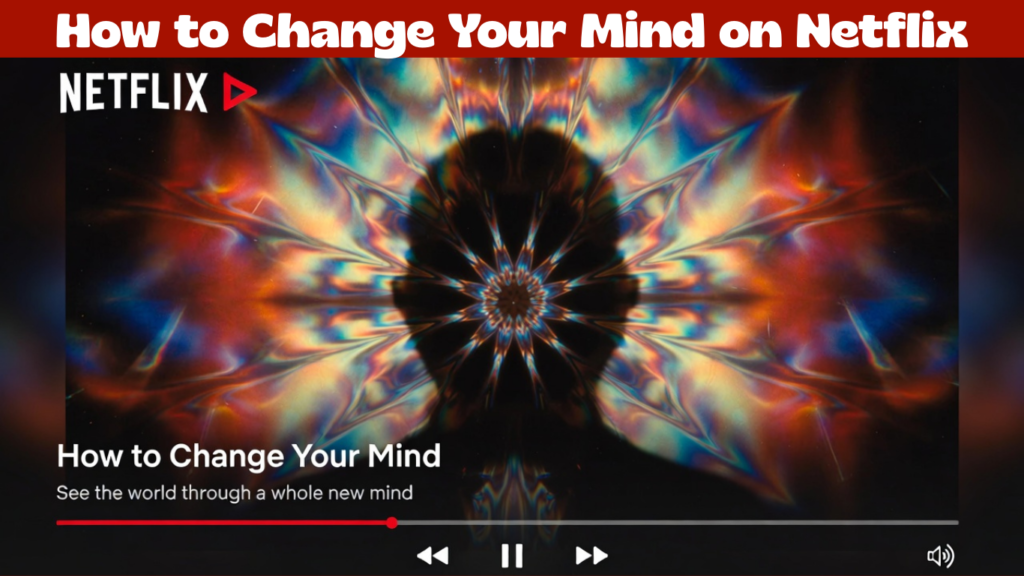
This video provides the official trailer and an overview of the series, featuring Michael Pollan explaining the core mission of the project.