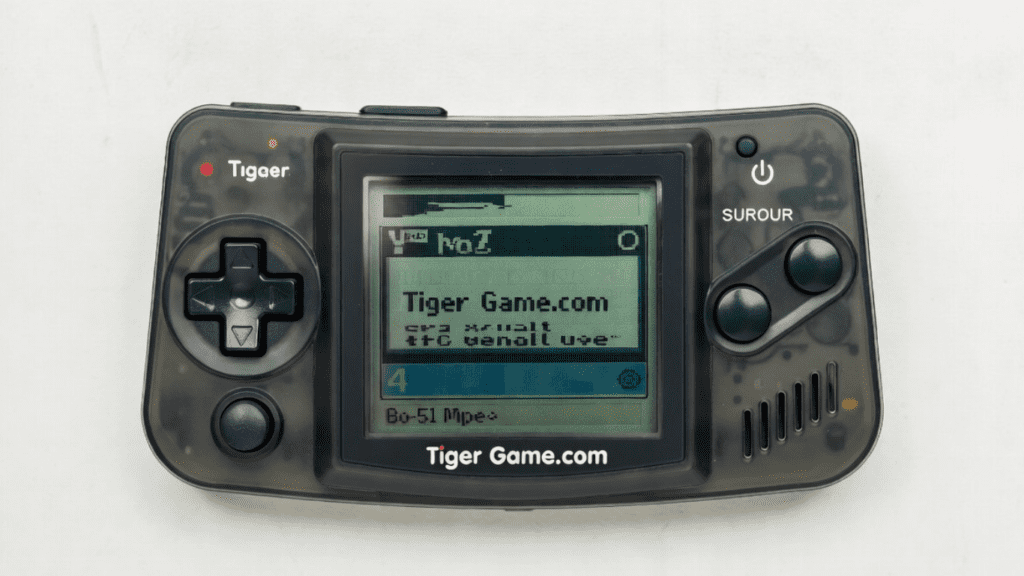
Have you ever heard of the Tiger Game.com handheld console? If you’re like most retro gaming fans, you probably haven’t. Back in 1997, while everyone was obsessed with the Nintendo Game Boy, Tiger Electronics launched this ambitious little device. It promised touchscreen controls, internet access, and even PDA features – stuff that sounds normal on today’s phones but was mind-blowing for a handheld back then. Yet, it bombed hard and faded into obscurity. Today, let’s dive into why the Tiger Game.com handheld console was a fascinating failure that was genuinely ahead of its time.
I remember stumbling across one at a flea market years ago. It looked clunky, but the idea of a 90s handheld browsing the web? That hooked me. Turns out, this forgotten gem has a story full of big dreams, bad luck, and lessons for modern tech.
What Made the Tiger Game.com Handheld Console So Innovative?
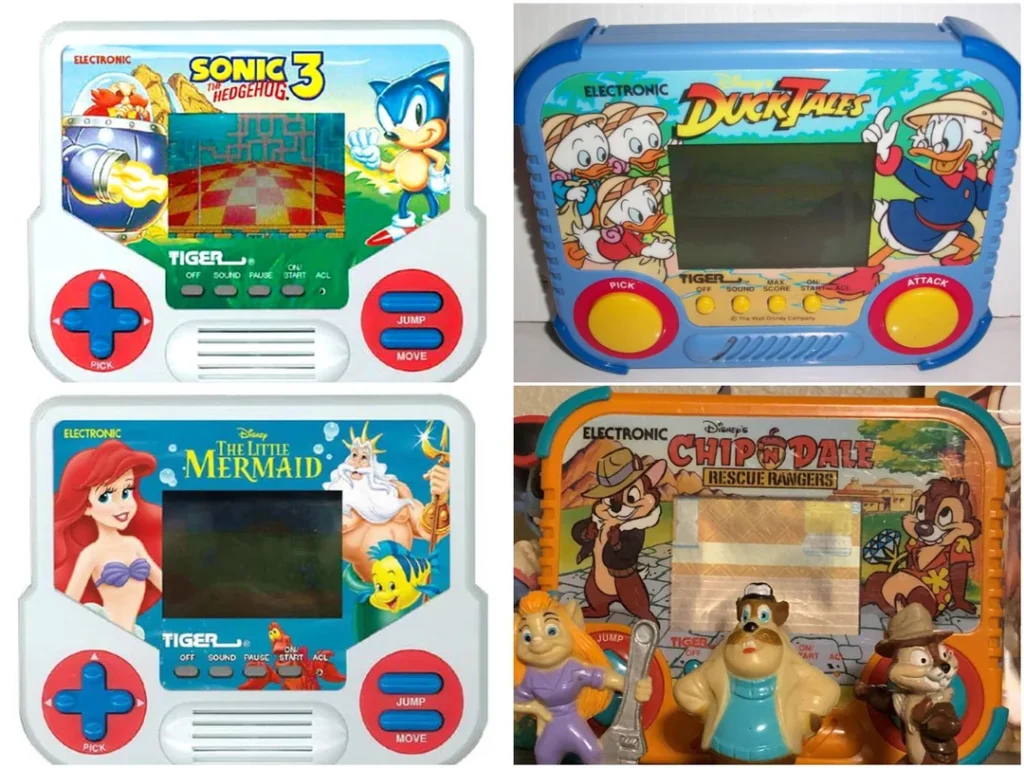
Tiger Electronics wasn’t new to gaming. They were famous for those cheap LCD handheld games based on movies and cartoons. But in 1997, they wanted more. They aimed the Tiger Game.com handheld console at older players, not kids chasing Pokémon.
Key Features That Were Years Ahead
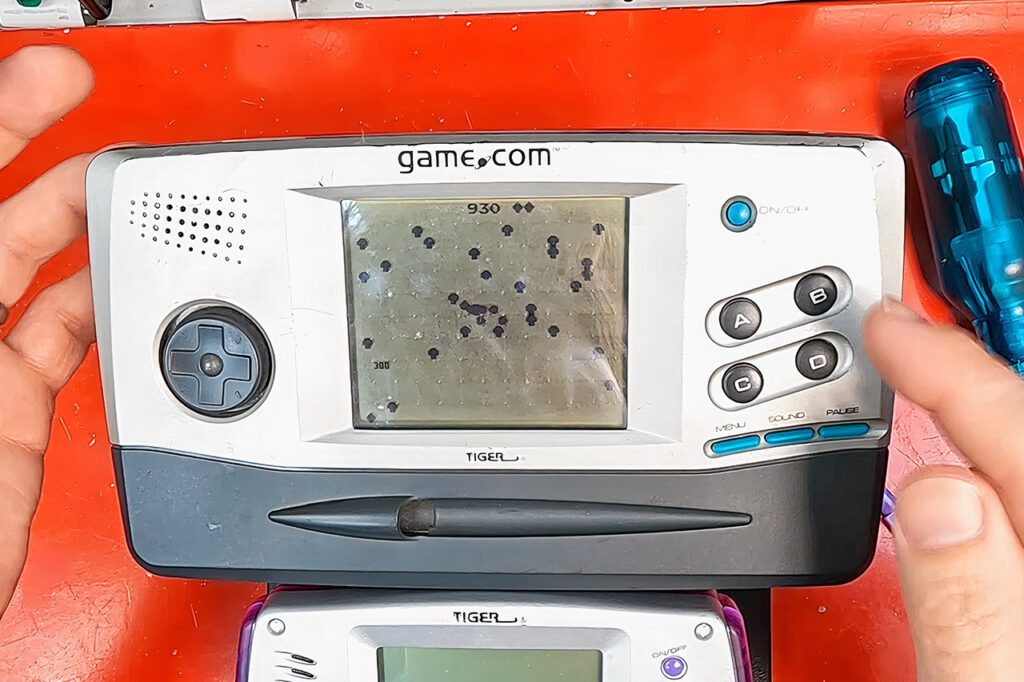
- Touchscreen and Stylus: Yes, really. The Game.com had a resistive touchscreen years before the Nintendo DS made it popular in 2004. You could tap menus or play certain games with the included stylus.
- Internet Connectivity: It was the first handheld with built-in online features. Plug in a 14.4k modem cartridge, and you could check email or browse basic web pages (text-only, of course). Tiger even owned the domain game.com for their site.
- Two Cartridge Slots: Load a game and the modem at the same time for potential online play.
- PDA Tools: Built-in calendar, address book, calculator, and even Solitaire as a pack-in game.
Specs-wise, it ran on a Sharp CPU at about 10 MHz, with a 200×160 monochrome screen. It launched for around $70, cheaper than a Game Boy with extras.
For 1997, this was wild. Smartphones with touchscreens and web access didn’t hit until the iPhone in 2007. Tiger was dreaming big.
The Game Library: Hits, Misses, and Licensed Ports
The Tiger Game.com had only about 20 official games. Tiger developed most of itself, which hurt the quality. But they snagged some big licenses.
Standout Titles Worth Mentioning
- Lights Out: The pack-in puzzle game. Simple but addictive – turn off all lights on a grid.
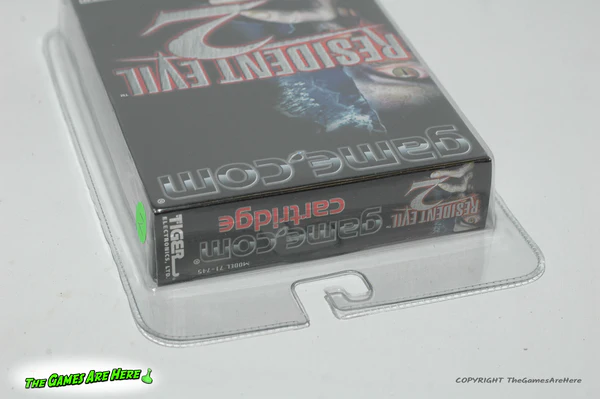
- Resident Evil 2: A stripped-down port of the PlayStation hit. Impressive, they tried it, but the slowdown made it tough.
- Duke Nukem 3D: Another ambitious port. It ran, but felt sluggish.
- Sonic the Hedgehog: Not a full game, more like a mini-version.
- Mortal Kombat Trilogy: Fighters didn’t translate well to the hardware.
- Classics like Monopoly, Scrabble, and Wheel of Fortune are for casual play.
Other games included Indy 500 (racing), Frogger, and Williams Arcade Classics (with Defender and Joust).
The library leaned toward adults with board games and ports. But poor graphics and controls held them back. Many feel like shadows of better versions elsewhere.
Game.com vs Game Boy: Why It Couldn’t Compete
The big question: How did the Tiger Game.com stack up against the Game Boy?
Head-to-Head Comparison
| Feature | Tiger Game.com (1997) | Nintendo Game Boy (1989-1998 era) |
|---|---|---|
| Screen | Monochrome touchscreen, 200×160 | Monochrome, no touch, backlight optional |
| Battery Life | 4-6 hours on 4 AA batteries | 10-30 hours |
| Price at Launch | $70 | Around $90 |
| Games Library | ~20 titles, mostly in-house | Hundreds, strong third-party support |
| Innovative Features | Touch, internet, PDA | Simple, reliable gaming |
| Sound | Basic mono speaker | Similar, but better in some games |
The Game Boy won easily. It had Pokémon fever by 1998-1999, massive developer support, and a kid-friendly image. The Game.com targeted teens and adults, but games didn’t deliver.
Why Did the Game.com Fail So Hard?
Sales topped out under 300,000 units. Tiger discontinued it in 2000. Here’s why it flopped:
- Terrible Screen Issues: No backlight, bad ghosting, slow refresh rate. Fast action looked blurry.
- Weak Games: Ports of big titles ran poorly. No killer app.
- Bad Marketing: One infamous ad had a guy insulting gamers: “Plays more games than you idiots have brain cells.” Ouch.
- Timing: Game Boy Color launched in 1998 with a color screen. Crushed competition.
- Developer Support: Almost no third-party games. Tiger did everything in-house.
- Hasbro Buyout: Hasbro acquired Tiger in 1998 and shifted focus to toys like Furby.
It wasn’t all bad luck. The tech just wasn’t ready for a smooth touchscreen or internet on a handheld.
Tiger tried a fix with the Pocket Pro in 1999 – smaller, lighter screen, cheaper ($30). But too late.
Is the Tiger Game.com Worth Collecting Today?
Absolutely, if you love obscure 90s handhelds. In 2025, systems go for $50-150 depending on condition. Complete sets with boxes are rarer. Games are cheap, mostly $10-50 each. Rarities like Resident Evil 2 can hit higher.
Tips for Starting a Collection
- Check eBay or retro forums for bundles.
- Test screens – ghosting is common in old units.
- Emulators exist if you want to try games without hardware.
- Pair it with other forgotten handheld consoles like the R-Zone or Virtual Boy for a “failures” shelf.
It’s not valuable like a rare Game Boy variant, but the nostalgia and “what if” factor make it fun.
FAQ
What does “Game.com” stand for?
It’s pronounced “game com,” referencing the .com domain for its internet features. Tiger owned game.com back then.
Was the Tiger Game.com really the first touchscreen handheld?
Yes! It beat the DS by years, though the tech was basic and unresponsive.
Why did the Game.com fail commercially?
Poor screen quality, limited games, bad ads, and tough competition from Game Boy/Pokémon.
Can you still go online with a Game.com?
No. The old modem service is long gone, and 14.4k dial-up won’t work today.
What are the best games for Tiger Game.com?
Lights Out, Solitaire, and Williams Arcade Classics are solid. Ports like Duke Nukem are interesting curiosities.
How does it compare to modern handhelds?
Features like touch and web feel like a prototype for smartphones or the DS/PSP era.
Is there a Game.com emulator?
Yes, a few exist for PC. Great for trying the library without buying hardware.
Where can I buy a Tiger Game.com in 2025?
eBay, retro gaming sites, or local markets. Prices are reasonable for collectors.
The Tiger Game.com handheld console reminds us that great ideas don’t always win right away. In 1997, it tried to blend gaming with PDA and online tech – stuff we take for granted now. Sure, it failed miserably, but that’s part of what makes retro gaming so cool. Those bold risks pave the way for better things later.
If you’re into forgotten handheld consoles or obscure 90s tech, hunt one down. Play a round of Lights Out and think about how far we’ve come. What’s your favorite failed console story? Share in the comments – I’d love to hear! And if this sparked your interest, check out some emulation or retro communities to dive deeper. Happy gaming!