Honor Robot Phone Camera Review: AI Robotic Arm Hands-On
Imagine picking up your phone and its camera literally pops out, tilts its “head” to look at you, and starts tracking your every move for the perfect shot. Sounds like something from a sci-fi movie, right? That’s exactly the vibe I got when Honor first teased the Honor Robot Phone camera back in October 2025. Fast forward to now, late December 2025, and we’ve seen real prototypes, live showcases, and confirmation that this wild concept is heading to mass production in 2026. I’ve been following every leak and teaser closely—here’s my hands-on-style review based on everything we know so far about this groundbreaking AI robotic arm camera.
What Is the Honor Robot Phone?
Honor isn’t just making another flagship. They’re calling this the “Robot Phone”—a step beyond regular smartphones and even AI phones. It’s part of their big “Alpha Plan,” where they want devices to sense the world, move on their own, and feel like companions.
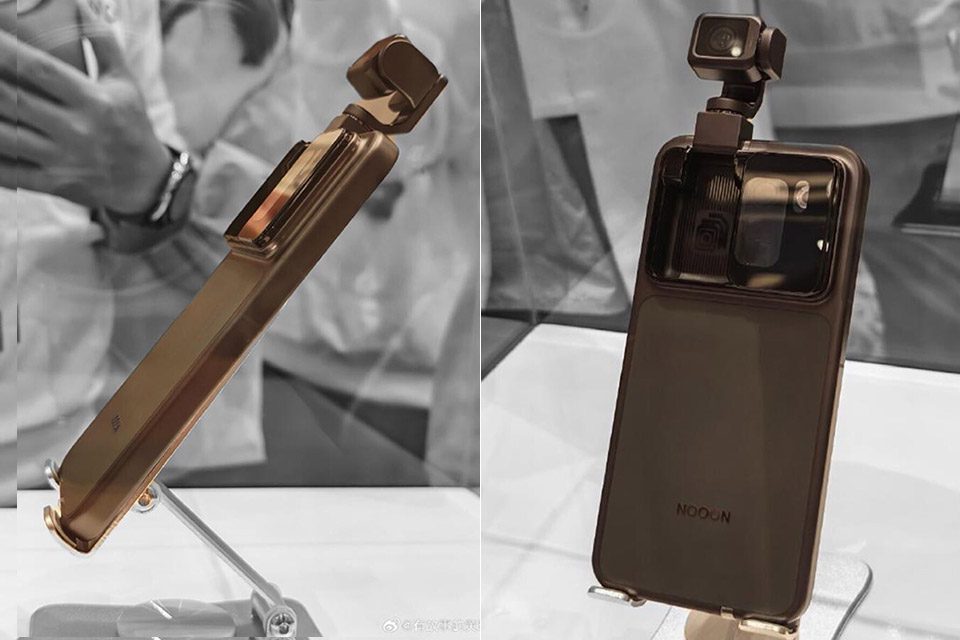
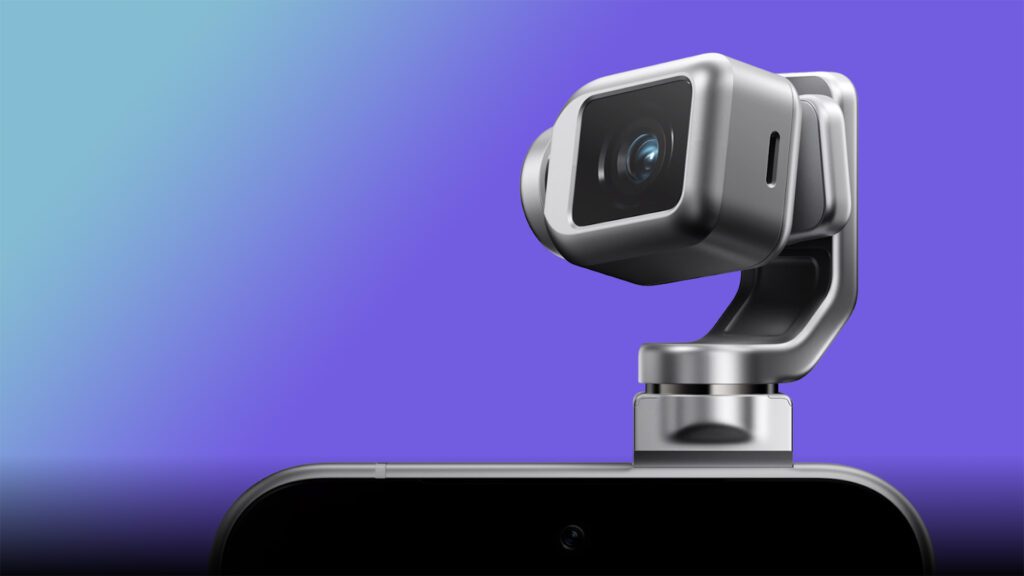
The star of the show? That pop-out robotic arm with a gimbal-mounted camera. It folds neatly into the back of the phone when not in use, hidden under a glass panel. But activate it, and out comes this mini robotic “head” that can swivel, tilt, and track subjects autonomously.
Honor showed off prototypes at their User Carnival event in China last month. We saw it in black, white, and gold colors, with backs in glass or faux leather. The design looks premium, a bit thick to accommodate the mechanics, but sleek overall—like a beefier iPhone with a futuristic twist.
Full reveal is coming at MWC 2026 in March, with mass production starting in the first half of 2026. Exciting times ahead!
The Robotic Arm Gimbal Camera: How It Works
Let’s get to the heart of this Honor Robot Phone camera review—the robotic arm itself.
This isn’t just a pop-up camera like old phones had. It’s a full three-axis gimbal on a mechanical arm. Think DJI Osmo Pocket is built right into your phone.
- Deployment: The camera module slides open, and the arm extends smoothly. It retracts just as neatly for protection.
- Movement: Powered by tiny motors, it can pan, tilt, and rotate 360 degrees in some directions.
- AI Integration: Honor’s multi-modal AI lets it “understand” scenes. It can track faces, follow moving subjects, or even point at interesting things autonomously.
In teasers, we’ve seen it do cool stuff like:
- Nodding approvingly at an outfit.
- Playing peekaboo with a kid.
- Gently watching over a sleeping baby.
- Tracking stars for astrophotography.
It’s almost cute—like Wall-E’s expressive eyes, but for photography.
Hands-On Performance: What We Can Expect
Since it’s still pre-launch, no one’s done full real-world testing yet. But from prototype demos and Honor’s claims, here’s what stands out.
Stabilization and Video Quality
Physical gimbal stabilization beats software tricks any day. Expect buttery-smooth footage, even while walking or in low light.
- Perfect for vloggers: Set the phone down, and the arm follows you around the room.
- Hands-free selfies: No more awkward arm stretches—the camera flips to face you perfectly.
Creative Shooting Modes
This opens up angles impossible on normal phones.
- Lay the phone flat for overhead shots without a tripod.
- Automatic tracking for sports or kids—never miss the action.
- Star tracking mode for long-exposure night skies without blur.
Photo Features
The main sensor (details TBD, but likely high-end like Honor’s Magic series) gets a massive boost from the arm’s flexibility.
- Better portraits with natural separation.
- Macro shots from unique angles.
- AI-enhanced composition: The camera suggests frames or adjusts on its own.
Potential downsides? The phone might be thicker and heavier. Durability is a question—moving parts could wear out or get dusty. But Honor seems confident, with protective glass covers.
AI Features That Make It “Emotional”
Honor keeps talking about the Robot Phone as an “emotional companion.” The AI doesn’t just process images—it adds personality.
For example:
- It might “react” by tilting happily when you smile.
- Suggest edits based on mood detection.
- Autonomously capture candid moments like family laughs.
This ties into broader AI tools Honor is rolling out, like photo tips or smart shopping scans. It’s ambitious, and if pulled off well, could make the camera feel alive.
Comparison to Other Phones
How does the Honor Robot Phone gimbal camera stack up?
- Vs. iPhone or Galaxy: Those rely on great sensors and software stabilization. Honor adds physical movement for superior flexibility.
- Vs. Foldables: Unique angles without unfolding.
- Vs. Action cams like DJI Pocket: No need for a separate device—it’s always with you.
It’s not competing on raw megapixels yet (specs unknown), but on innovation. This could be a creator’s dream.
Pros and Cons So Far
Pros:
- Insane stabilization and tracking.
- Hands-free creativity.
- Fun, expressive AI interactions.
- Built-in gimbal—no extras needed.
Cons:
- Likely bulkier design.
- Moving parts raise reliability concerns.
- Battery drain from motors and AI?
- Privacy issues with autonomous recording.
Who Is This For?
If you’re a content creator, vlogger, or parent wanting effortless family videos, this could change everything. Tech enthusiasts will love the wow factor. Casual users might wait for reviews on everyday practicality.
FAQ
When will the Honor Robot Phone launch? Full unveiling at MWC 2026 in March. Mass production starts H1 2026, with possible release mid-to-late 2026.
Is the robotic arm durable? Prototypes look solid with protective covers, but real-world testing will tell. Honor has experience with complex designs like ultra-thin foldables.
What are the camera specs? Not revealed yet. Expect flagship-level sensors, similar to Honor Magic series—high resolution, great low-light performance.
Does it work for selfies? Yes! The arm can flip around, turning the main camera into a super-stable selfie shooter.
Will it be expensive? Likely premium pricing due to the tech. Think high-end flagship range.
Can the AI features be turned off? Probably yes—Honor emphasizes user control in their AI tools.
Is this just a concept? No longer! Honor confirmed it’s real, with prototypes and production plans.
Where can I buy it? Global launch expected after MWC 2026. Check Honor’s site for updates.
Final Thoughts
The Honor Robot Phone camera with its AI robotic arm is one of the most exciting things I’ve seen in smartphones lately. It pushes boundaries, blending robotics and photography in a way that feels fresh and fun. Sure, there are questions about practicality and durability, but that’s the risk with bold ideas.
If Honor nails the execution, this could redefine mobile photography in 2026. I’m keeping a close eye on MWC—can’t wait to go truly hands-on.
What do you think? Would you buy a phone with a moving camera arm? Drop your thoughts below, and stay tuned for updates. If you’re hyped, sign up for Honor’s Users Wish Plan on their site to help shape it!